Why Casino Table Game Variants Make a Difference for Players

Walk into any land-based casino or browse the lobby of a reputable online platform such as FlutterHall Casino and you will quickly see that blackjack is rarely just blackjack, roulette is never a single wheel, and poker shows up in more forms than many newcomers expect. These are not cosmetic reskins designed to fill screen space. Variants of classic table games embody fundamentally different mathematical models, strategic demands, and risk profiles. A player who grasps that European Roulette carries a house edge of 2.70% while American Roulette doubles that to 5.26% is already making a more informed decision than someone who chooses a game based purely on its thumbnail. Variants make a difference because they directly impact session longevity, the viability of betting strategies, and the overall value a player derives from their bankroll. For UK players navigating a crowded online market, the ability to discern between superficially similar titles is one of the most practical skills anyone can acquire before placing a real-money wager.
The Mathematical Framework Behind Every Variant

Every table game variant is built on a specific mathematical framework that establishes the house edge, hit frequency, and volatility profile. These numbers are not random; reputable operators like FlutterHall Casino provide games from regulated studios whose return-to-player percentages and rule sets are independently verified. The distinction between a blackjack table that pays 3:2 for a natural and one that pays 6:5 is not insignificant. The 6:5 payout increases the house edge by approximately 1.39%, meaning a player wagering £10 per hand will lose roughly £14 more per hour at the inferior table under identical conditions. This structural difference is implemented without dramatic visual cues, so understanding the architecture means examining beyond the theme and examining the paytable, the number of decks, dealer standing rules, and the presence of surrender options. The mathematical core is what differentiates a sound choice from an expensive oversight.
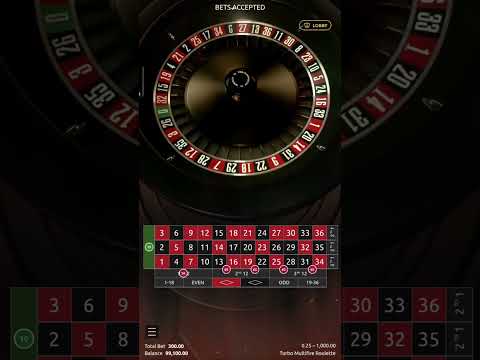
Roulette variants present the cleanest illustration of how a single rule change transforms the entire game. The core differences are pronounced:
- Single-Zero Roulette: 37 pockets, single zero, house edge 2.70%
- French Roulette (with La Partage or En Prison): same wheel, house edge on even-money bets reduced to 1.35%
- American Wheel: 38 pockets, double zero, house edge 5.26%
A player who plays at an American wheel without understanding the difference is taking on more than double the long-term cost. The mathematics are unforgiving and entirely predictable, which is why informed players prefer variants that lower the built-in advantage. a closer look When browsing a casino lobby, the variant name serves as a direct indicator about the underlying probability model you are buying into.
Ancillary Bets, Progressive Prizes, and the Actual Price of Bonus Features
Numerous table game options set themselves apart through voluntary side bets that promise big payoffs for certain hand groupings or wheel outcomes. Perfect Pairs and 21+3 in blackjack, the Bonus bet in Casino Hold’em, and the various racetrack bets in roulette all fall into this category. These side bets are mathematically separate from the main game and virtually always carry a significantly higher house edge. A Perfect Pairs bet generally holds a house edge between 4% and 8% depending on the paytable, in contrast with the sub-1% edge achievable on the main blackjack hand with perfect strategy. This does not render side bets automatically bad, but it does imply players should regard them as a distinct entertainment expense rather than an core element of their table game strategy. The flashing lights and animated jackpot meters that come with progressive side bets are crafted to draw attention away from the fundamental calculations, and experienced players learn to assess these features with the same critical perspective they apply to the base game.
Progressive jackpot variants add an extra dimension of complexity because the accumulating prize pool can, in uncommon situations, shift the expected value of a side bet into positive territory. This occurs when the jackpot grows large enough that the expected return surpasses the cost of the wager, though such situations are infrequent and typically require the jackpot to reach unusually high levels compared with the probability of hitting it. For the overwhelming majority of sessions, progressive side bets function as a high-house-edge wager that steadily depletes the bankroll while offering the emotional rush of a life-changing payout. Players who enjoy this trade-off should set aside a particular, limited amount of their session budget to those side bets and resist the temptation to boost their side bet size during losing streaks. The variant’s core appeal continues to be the base game, and side bets should enhance the experience instead of taking over the wagering strategy.
Game tempo , Session Flow, and Bankroll Impact
The speed at which a table game variant unfolds has a clear influence on bankroll management https://flutterhall.eu/. Live dealer games broadcast from professional studios operate at a pace dictated by a human croupier, with usual blackjack hands requiring 45 to 60 seconds counting betting time. A digital RNG-powered variant of the same game can complete a hand in under 10 seconds if the player acts quickly. This sixfold difference in hands per hour implies that a £5 bettor at a fast digital table commits significantly more total wagering volume to the house edge over an identical session length. Variants with side bets, bonus features, or progressive jackpots often include animation pauses, further modifying the rhythm. Players who favor a measured experience should gravitate toward live dealer variants or digital tables with adjustable speed settings, while those who appreciate rapid cycles will locate standard RNG tables more satisfying.
Game tempo also relates to volatility in ways specific to each variant. Lightning Roulette, a popular live dealer variant from Evolution Gaming, replaces standard straight-up payouts of 35:1 with multiplied payouts ranging from 50:1 to 500:1 on randomly selected numbers. The base straight-up payout decreases to 30:1 for non-multiplied numbers, which raises the house edge on those bets. The result is a higher-variance experience where winning sessions can spike dramatically but losing sessions drain the bankroll faster. A player who would normally budget for 100 spins of standard European Roulette may find that the same bankroll dwindles in 70 spins of a high-volatility variant during a cold streak. Matching the variant’s volatility profile to your session budget and loss tolerance is a practical skill that separates consistent entertainment from frustratingly short sessions.
Understanding Volatility Through Variant Selection
Volatility illustrates how far and how frequently findings deviate from the statistical average. Table game variants often adjust volatility through rule modifications, side bet configurations, or payout table modifications. A standard game of baccarat provides three main bets with relatively low volatility: Banker, Player, and Tie. A alternative like No Commission Baccarat removes the 5% commission on winning Banker bets but changes the payout when the Banker wins with a total of six, typically returning only 50% of the wager. This moves the volatility profile by generating a specific scenario where a normally reliable bet falls short. Players who depend on steady, incremental returns may find such variants disturbing to their preferred playing style, even if the long-term house edge remains comparable. Examining the full paytable and comprehending exactly which outcomes trigger modified payouts is essential before committing funds to any unfamiliar variant.
Strategic Depth and the Proficiency Limit Across Game Versions
Not all table game variants are comparable when it comes to player choices. Some encourage study and methodical play, while others deliberately strip away complexity to produce a faster, more luck-dependent experience. Blackjack is the typical case where game version choice directly dictates how much upper hand a experienced player can secure. Standard multi-deck blackjack with favorable conditions allows a player employing perfect basic strategy to lower the house edge beneath 0.5%. Move to a variant like Blackjack Switch, where the player obtains two hands and may swap the top cards, and the complete strategic landscape shifts. The compromise for the switching privilege is that a dealer 22 ties instead of busting, which modifies optimal play in ways that make a standard basic strategy card useless. Players who do not adjust their approach will lose chips at a quicker pace than they would at a standard table.
Poker variants intensify this principle even more. Casino Hold’em, Caribbean Stud, and Three Card Poker are all poker-style games, yet they necessitate entirely distinct strategic frameworks. Caribbean Stud necessitates assessing whether a five-card hand beats the dealer’s qualifying threshold, with no drawing or community cards. Casino Hold’em introduces community cards and several decision points, forming a more profound game where position-related elements emerge even against the house. Three Card Poker reduces the decision to a sole binary choice after examining three cards, making it far more accessible but reducing the skill ceiling. The variant you select should mirror your preference for strategic engagement. A player who enjoys studying optimal decision charts will find far more satisfaction in variants that present meaningful choices, while someone looking for pure entertainment may prefer the streamlined decision trees of simpler formats.
Real-time Dealer Variants and the Personal Touch
Live dealer table games have evolved far beyond basic digital recreations of physical casino floors. Modern live studios produce game show hybrids, augmented-reality enhanced roulette, and multi-camera blackjack experiences that bridge the line between table gaming and television entertainment. Variants like Crazy Time, Monopoly Live, and Deal or No Deal Live feature spinning wheels, bonus rounds hosted by presenters, and interactive second-screen elements that have little resemblance to their table game ancestors. These variants are important because they bring entirely new risk-reward calculations. The base game in many live game show variants acts as a qualifying round for bonus features, meaning the majority of the theoretical return is focused in the bonus rounds. A player who does not comprehend this distribution may misinterpret a run of losing base game spins as poor luck when the design intentionally emphasizes losses to fund the bonus round payouts.
The human element in live dealer variants also influences game pace, error rates, and the overall atmosphere. A skilled croupier dealing from an eight-deck shoe at a standard live blackjack table produces a different experience than an automated shuffler feeding a single-deck variant. Some live variants, such as Speed Blackjack, prioritise rapid dealing and simultaneous decision-making by offering the first two cards to all players and resolving hands in order of who acts fastest. This appeals to decisive players who dislike waiting for others but penalises those who need time to calculate optimal plays. The social dimension of en.wikipedia.org live dealer play, including chat functionality and presenter interaction, brings a layer of engagement that purely mechanical variants cannot replicate. For UK players who miss the social atmosphere of physical casinos, live dealer variants with interactive features provide a meaningful substitute that standard digital tables do not offer.
Mobile Compatibility and Variant Performance for Different Devices
The system requirements of different table game variants become particularly relevant when gaming on smartphones. A standard digital roulette table with simple graphics and a single wagering layout will load quickly and run smoothly on virtually any modern smartphone. A feature-rich live dealer variant with multiple camera angles, live HD streaming, and an live chat feature consumes substantially more data and demands a stable connection to avoid lagging interruptions during critical betting windows. UK gamblers who mainly use mobile devices should pay attention to which variants are optimised for smaller screens. Some live dealer studios now offer portrait-mode tables tailored for one-handed smartphone play, with betting interfaces adjusted for thumb access. Variants originally designed for desktop landscape orientation may seem cramped or demand regular pinching when viewed on a mobile device, which can lead to accidental clicks and unintended wagers.
Aside from interface design, mobile play introduces practical factors around session length and connectivity. Live dealer variants that stream without interruption will drain battery faster and consume mobile data at a speed of several hundred megabytes per hour at high quality settings. RNG-powered variants are far more forgiving in both respects, making them the practical choice for players who want to fit in short sessions during commutes or breaks. Some operators, including FlutterHall Casino, offer downloadable apps that improve performance for specific device profiles, while others rely on browser-based play that adapts flexibly. Testing a variant in demo mode on your specific device before committing real funds is a sensible step that reveals any performance issues before they affect a live wager. The best variant on paper becomes irritating if the interface lags during split-second betting decisions.
Mobile Data Use and Connection Stability Factors
Live casino gaming table types transmit video at bitrates that differ by provider and connection quality, usually ranging from 1 Mbps for lower-quality streams to 5 Mbps or more for HD tables. A 60-minute session at the higher end can require over 2 GB of data, which is substantial for participants on capped mobile plans. RNG table games, by difference, transfer only small packets of data representing game states and outcomes, using perhaps 10 to 20 MB per hour. Players who regularly play on mobile networks rather than Wi-Fi should consider this discrepancy into their variant selection. Live dealer tables often impose more stringent betting time limits to maintain game flow across several joined players. A interrupted connection during a live betting window can result in a missed opportunity or, depending on the platform’s rules, a automatic decision that may not match the player’s intention. Understanding the technical requirements of each type ensures that the gaming experience stays under the player’s management rather than being governed by network conditions.
Title Certification and Picking the Proper Game for You
Reasons Independent Testing Is Important
Each table game variant present at a UK-facing platform must pass independent testing and certification to ensure that its random number generation or live dealing procedures generate fair, statistically accurate results. This testing is not a one-time formality; certified games are subject to ongoing audits and must adhere with the technical standards set by the UK Gambling Commission. When a player selects a variant from a provider like Evolution, Playtech, or Pragmatic Play at a licensed casino such as FlutterHall Casino, they are utilizing a product whose return-to-player percentage, shuffle algorithms, and payout structures have been checked by laboratories including eCOGRA, GLI, or iTech Labs. This certification applies to variant-specific features such as multiplier wheels, bonus rounds, and progressive jackpot triggers. The inclusion of a certification seal in the game’s information panel is a concrete sign that the variant works as advertised.
The significance of variant-level certification is apparent when examining the intricacy of modern table game hybrids. A game that combines roulette with a random multiplier feature must have the wheel physics or RNG as well as the multiplier selection mechanism independently verified. Reputable operators make this information available through help files and game rules sections within each variant. Players should check the theoretical return percentages for the main game and any side bets, as these figures provide the only objective basis for evaluating variants. A variant with flashy presentation and enthusiastic player reviews may still offer mathematically inferior returns compared to a plainer-looking alternative. The certification data, not the marketing copy, shows the real story about what a variant provides.
Aligning Variants to Your Playing Style
Selecting a table game variant needs to start with a candid assessment of what you want from the session. A gambler whose primary goal is to optimize playing time per pound deposited will make alternative choices than a person chasing the adrenaline of a large multiplier win. The small house edge variants of blackjack, baccarat, and European or French Roulette benefit the first group well, especially when side bets are omitted and optimal strategy is used. Players pursuing high-volatility excitement may prefer Lightning Roulette, blackjack variants with multiple progressive side bets, or poker variants with significant bonus payouts for rare hands. Neither strategy is strictly correct, but awareness about your own preferences avoids the frustration of playing a variant that conflicts with your natural style.
Practical steps for assessing a new variant involve reviewing the paytable before wagering, reviewing the theoretical return percentage in the game information panel, and playing a few rounds in demo mode where available. Take note of how the betting interface processes common actions like repeating a previous bet, removing the layout, or changing chip denominations. These interface details affect session flow more than most players realise. Also factor in the variant’s availability across different times of day if you prefer live dealer play; some niche variants operate limited hours or have fewer open seats during off-peak periods. The lobby at FlutterHall Casino commonly shows current table availability and seat occupancy, letting players to plan sessions around their preferred variants. Building a personal shortlist of trusted variants that match your risk tolerance, strategic interest, and device setup transforms table game play from a random lobby browse into a deliberate, satisfying experience.